Aluminized Steel vs Galvanized Steel: 2026 Selection Guide for Type 1 and Type 2
- Share
- Issue Time
- Nov 2,2026
Summary
Aluminized steel vs galvanized vs galvalume in 2026: Type 1 and Type 2 explained, coating weight specification, market and price trends, EV applications, and a buyer's checklist.
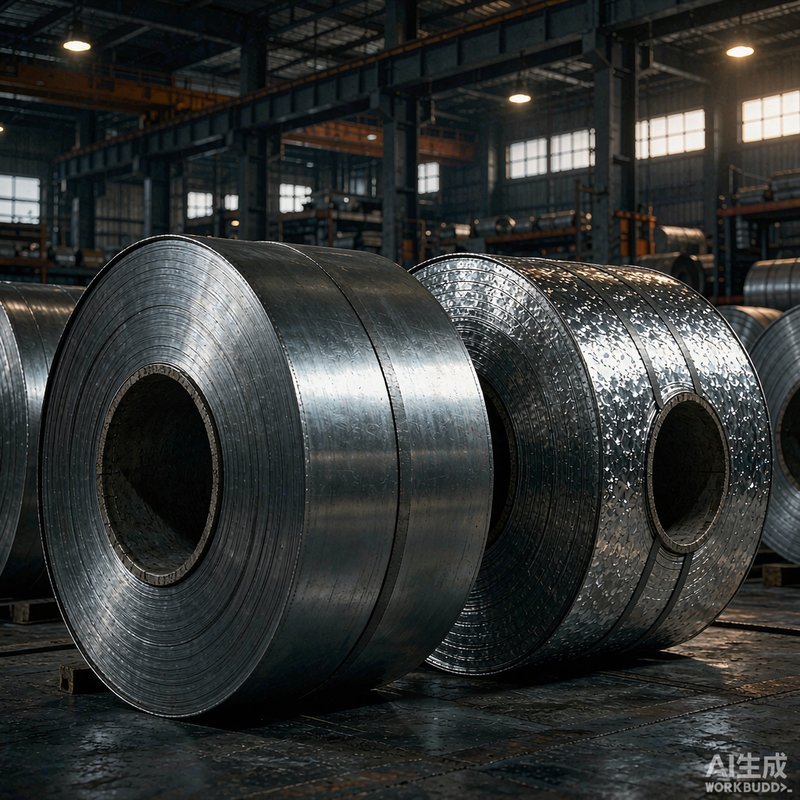
Aluminized steel — carbon steel coated with an aluminum-silicon or pure aluminum layer through hot-dip processing — is often confused with galvanized steel, yet the two materials solve very different problems. Aluminized steel excels where heat and corrosion meet: exhaust systems, heat exchangers, silencers, bakeware, and increasingly the battery trays and thermal shields of electric vehicles.
The global aluminized steel market is estimated at about USD 6.37 billion in 2026 and is projected to reach USD 9.27 billion by 2034, a compound growth rate of roughly 4.8%. This selection guide compares aluminized steel Type 1 and Type 2 against galvanized and galvalume coatings, explains 2026 market and price signals, and gives B2B buyers a practical specification checklist.
What Is Aluminized Steel? Type 1 vs Type 2 Explained
Hot-dip aluminizing produces two commercial types, and choosing between them is the first decision a buyer must make. Type 1 carries an aluminum-silicon alloy coating (5–11% silicon), which suppresses the brittle alloy layer and gives outstanding heat resistance with good formability. Type 2 uses a purer aluminum coating and is optimized for atmospheric corrosion resistance rather than heat.
| Property | Type 1 (Al-Si) | Type 2 (Pure Al) |
|---|---|---|
| Coating composition | Aluminum with 5–11% silicon | High-purity aluminum |
| Heat resistance | Resists oxidation up to about 800°C | Useful up to about 650°C |
| Corrosion behavior | Good; excels in hot, wet, acidic gases | Excellent in atmospheric exposure |
| Typical use | Exhaust systems, ovens, heat exchangers | Roofing, culverts, silos, outdoor hardware |
| Common standard | ASTM A463 / A463M, EN 10346 | ASTM A463 / A463M |
Type 1 dominates the market with roughly 62.3% of global volume, driven by automotive exhaust and appliance demand. When in doubt, state the intended service temperature and environment to your supplier — it determines the correct type faster than any other single piece of information.
Aluminized Steel vs Galvanized vs Galvalume: Which Coating Fits Your Application?
All three coatings protect steel against corrosion, but through different mechanisms and with different temperature ceilings. Galvanized steel (zinc) protects sacrificially — the zinc corrodes first — and is the workhorse for ambient-temperature outdoor use. Galvalume (55% aluminum-zinc) combines barrier and sacrificial protection for roofing and cladding. Aluminized steel prioritizes heat resistance, with the aluminum layer forming a protective oxide at high temperature.
| Coating | Protection Mechanism | Heat Resistance | Best Application |
|---|---|---|---|
| Hot-dip galvanized (zinc) | Sacrificial zinc layer | Up to ~200°C long-term | Frames, fences, outdoor structures |
| Galvalume (Al-Zn 55%) | Barrier + sacrificial edge protection | Up to ~315°C | Roofing, cladding, culverts |
| Aluminized Type 1 (Al-Si) | Aluminum oxide barrier | Up to ~800°C | Exhaust, ovens, heat exchangers, EV shields |
| Aluminized Type 2 (pure Al) | Aluminum oxide barrier | Up to ~650°C | Silos, roofing, outdoor industrial hardware |
A useful rule of thumb: if the part must survive above 300°C, galvanized and galvalume coatings drop out of contention and aluminized steel Type 1 becomes the default. If the priority is decades of ambient outdoor life, galvanized or galvalume is usually the lower-cost choice.
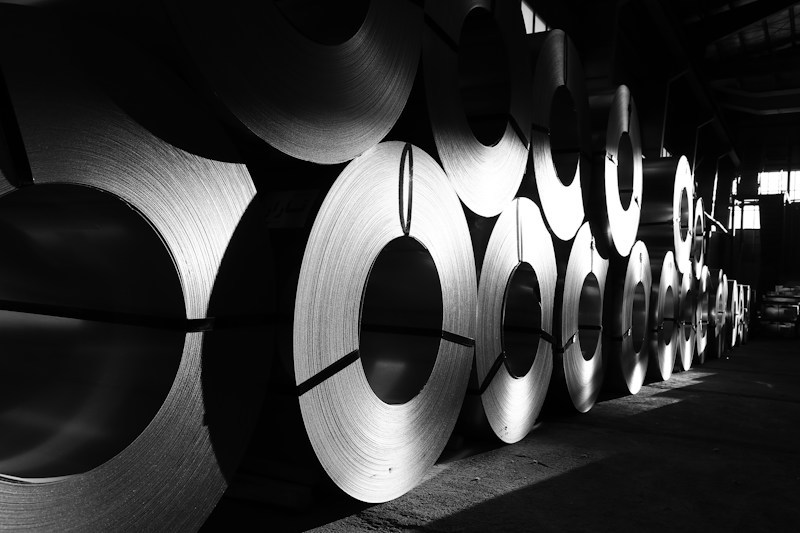
2026 Market and Price Trends for Aluminized Steel
Demand for aluminized steel in 2026 is led by automotive applications, which account for roughly 60.2% of consumption, followed by appliances, HVAC, and building products. Asia-Pacific holds the largest regional share at about 41.8%, reflecting the concentration of vehicle and appliance manufacturing. New product development is also raising the bar: Nippon Steel's AS-L grade, introduced in 2024, improves coating adhesion by about 30% and is spreading into demanding hot-stamping and structural applications.
- Coating weight is the core specification: common designations run from AS80 to AS300, with heavier coatings supporting longer service life — up to roughly 4,000 hours in salt-spray testing at the top of the range.
- EV battery thermal-management shields are a fast-growing application, since aluminized steel combines low cost with reliable fire and heat barriers.
- Prices track aluminum plus hot-rolled steel costs, so 2026 quotes move with both London Metal Exchange aluminum prices and regional coil benchmarks.
- Supply remains concentrated among large integrated mills; buyers benefit from working with exporters who stock multiple coating weights and types.
Growing Applications: From Exhaust Systems to EV Battery Shields
Aluminized steel's combination of heat resistance, formability, and cost keeps its classic markets strong while new ones open. Exhaust manifolds, mufflers, and heat shields remain the largest single use. In appliances, aluminized steel lines oven cavities and gas burner components. In construction, Type 2 finds work in silos, culverts, and roofing where long atmospheric life matters.
The newest growth area is electrification: battery trays, underbody shields, and thermal barriers in electric vehicles exploit the same aluminum oxide barrier that protects exhaust systems — an application that barely existed five years ago and is now a design-in requirement at multiple global automakers.
For distributors and OEMs, the fastest way to shorten lead time is to specify the full coating designation up front — for example ASTM A463 Type 1, coating weight AS240, commercial or drawing quality, with a stated surface finish. MESCO Steel stocks aluminized steel in common grades with 3–7 day delivery and exports to more than 100 countries, including heavier AS300 coating weights that are difficult to source on short notice.
How to Specify Aluminized Steel: A Buyer's Checklist
- Choose the type first: Type 1 (Al-Si) for heat-resistant parts, Type 2 (pure aluminum) for atmospheric corrosion.
- State the coating weight (AS80–AS300) and match it to service life expectations and forming severity.
- Specify the standard — ASTM A463/A463M or EN 10346 — plus the steel grade and quality (commercial, drawing, or structural).
- Confirm formability requirements: tight bends and deep drawing favor Type 1 with controlled silicon and lubricants.
- Ask about edge condition and coil weight for sea freight, and request mill test certificates for traceability.
- Compare landed cost across types and origins — 2026 freight and duty terms can outweigh a few dollars per ton in mill price.
Frequently Asked Questions
What is the difference between aluminized steel Type 1 and Type 2?
Type 1 uses an aluminum-silicon alloy coating (5–11% silicon) and resists oxidation up to about 800°C, making it the choice for exhaust systems, heat exchangers, and oven parts. Type 2 uses high-purity aluminum, offers excellent atmospheric corrosion resistance up to about 650°C, and suits roofing, silos, and outdoor hardware. Specify the service temperature and environment and your supplier can confirm the correct type.
Is aluminized steel better than galvanized steel?
Neither is universally better — they are different tools. Galvanized steel protects sacrificially through zinc and is ideal for ambient-temperature outdoor structures at low cost. Aluminized steel forms an aluminum oxide barrier that survives far higher temperatures (up to ~800°C for Type 1), so it wins for exhaust, heating, and EV thermal-shield applications. Choose by service temperature and environment, not by brand.
Can aluminized steel be welded and formed like ordinary steel?
Yes, but with care. Aluminized steel welds and forms like coated carbon steel; silicon-containing Type 1 grades are designed for good formability. Welding generates aluminum oxide that can disturb the weld pool, so use appropriate filler and remove coating locally where needed. For deep-drawn parts, specify drawing-quality steel and confirm the coating weight matches the forming severity.
How is aluminized steel priced and quoted for export?
Aluminized steel is quoted per metric ton, with the base price derived from hot-rolled steel plus an aluminum-content surcharge, then adjusted for coating weight and grade. Export quotes normally include seaworthy packing and follow incoterms such as FOB or CIF. Because 2026 prices track both coil and aluminum benchmarks, ask suppliers to hold firm or fix price for a defined shipment window.
Aluminized steel is not a substitute for galvanized steel — it is a specialist that wins wherever heat and corrosion meet. Type 1 for exhausts, ovens, and EV thermal shields; Type 2 for atmospheric exposure; and a coating weight that matches your service life target. With automotive demand at roughly 60% of consumption and Asia-Pacific leading supply, 2026 is a good year to lock in a specification and a reliable source.
Explore our aluminized steel coil and sheet range, read more steel coating guides, or contact the MESCO Steel team for Type 1 and Type 2 aluminized steel with AS80–AS300 coating weights, mill certificates, and fast export delivery.