Cold Rolled Steel 2026: Price Trends, Market Analysis, and Global Supply Outlook
- Share
- publisher
- MESCO Steel
- Issue Time
- Sep 7,2026
Summary
Comprehensive analysis of cold rolled steel market in 2026, covering price trends, applications, quality standards, global trade outlook, and CRC vs HRC comparison for B2B buyers.
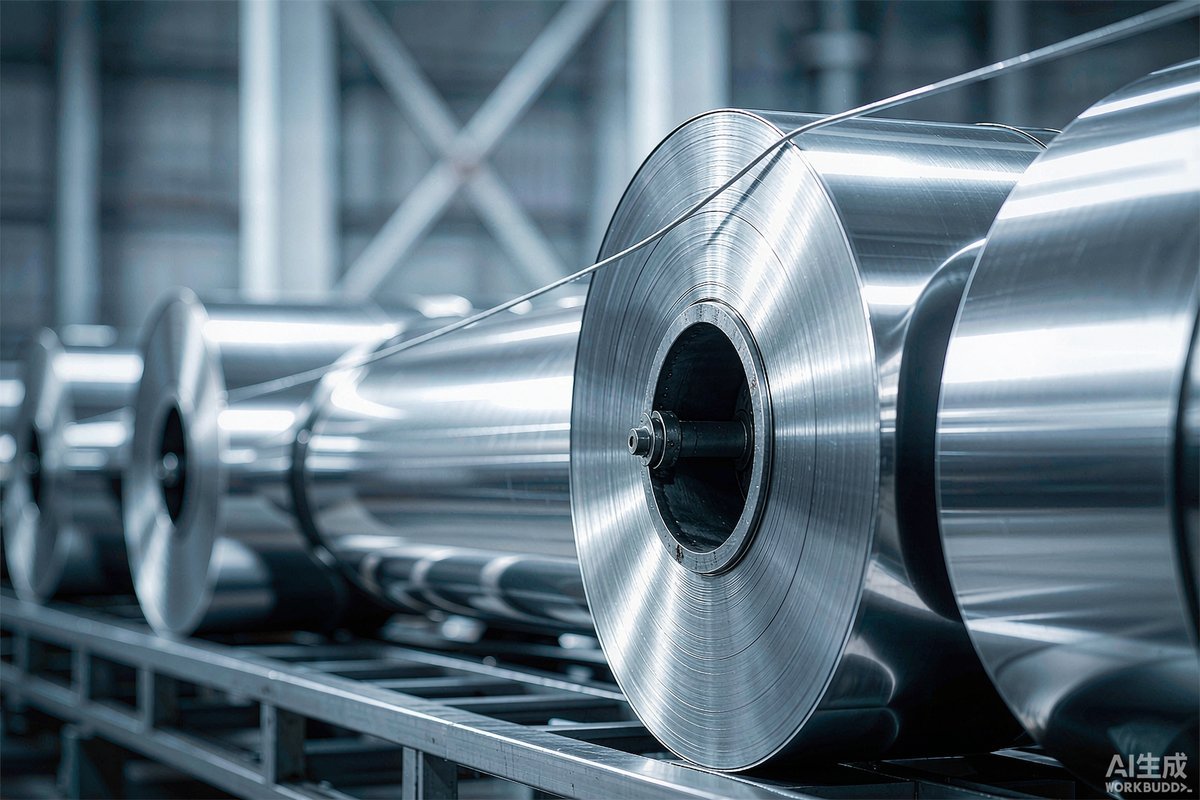
Cold rolled steel is a critical material in modern manufacturing, prized for its superior surface finish, precise dimensional tolerances, and enhanced mechanical properties. As the global steel industry navigates 2026—marked by price volatility, shifting trade policies, and evolving demand patterns—understanding the cold rolled steel market has never been more important for procurement professionals, manufacturers, and engineers.
This comprehensive guide covers cold rolled steel price trends, supply-demand dynamics, key applications, and a comparison with hot rolled steel, providing actionable insights for B2B buyers in 2026.
Cold Rolled Steel Market Overview 2026
The global cold rolled steel market in 2026 is characterized by tight supply-demand balance and regional price divergence. According to SMM data, the hot-rolled to cold-rolled coil spread has narrowed significantly, with cold rolled coil prices averaging approximately 3,776 RMB/ton in August 2026—down from peaks seen in early 2025.
Key market drivers include:
- Automotive sector recovery — Global vehicle production is rebounding, driving demand for cold rolled automotive sheets.
- Construction and infrastructure — Cold rolled steel is essential for roofing, cladding, and structural components.
- Home appliance manufacturing — Refrigerators, washing machines, and air conditioners rely on cold rolled steel for exterior panels.
- Inventory destocking cycle — High inventory levels in China are slowly being absorbed, with September 2026 expected to see seasonal demand improvement.
Cold Rolled Steel vs Hot Rolled Steel: Price Comparison
The price difference between cold rolled and hot rolled steel is a key indicator of market health. Below is a comparison of key market metrics:
| Metric | Cold Rolled Steel (CRC) | Hot Rolled Steel (HRC) |
|---|---|---|
| August 2026 Avg. Price (China, RMB/ton) | ~3,776 | ~3,200 |
| Surface Finish | Excellent, smooth, defect-free | Rough with scale layer |
| Dimensional Tolerance | ±0.02 mm typical | ±0.1 mm typical |
| Yield Strength (MPa) | 280–550 (depending on grade) | 250–500 |
| Primary Applications | Automotive panels, appliances, electronics | Structural beams, pipes, shipbuilding |
| Production Cost | Higher (additional processing steps) | Lower (single-stage rolling) |
Key Applications Driving Cold Rolled Steel Demand
Cold rolled steel's unique combination of surface quality, formability, and strength makes it indispensable across multiple industries:
Automotive Manufacturing
The automotive sector remains the largest consumer of cold rolled steel. Modern vehicles use advanced high-strength steel (AHSS) grades produced through cold rolling for body panels, doors, hoods, and structural components. With the global push toward electric vehicles (EVs), demand for lightweight yet strong cold rolled steel grades is accelerating.
Home Appliances & Consumer Electronics
Refrigerator shells, washing machine drums, air conditioner panels, microwave ovens—cold rolled steel is the material of choice for white goods due to its smooth surface that accepts paint and coatings exceptionally well. The 2026 appliance market is driven by replacement demand in emerging economies and smart home adoption in developed markets.
Construction & Infrastructure
Cold rolled steel is used in lightweight steel framing, metal roofing, ceiling grids, and curtain wall support structures. Its excellent flatness and consistency make it ideal for architectural applications where aesthetics matter.

Global Trade and Supply Chain Outlook
The global cold rolled steel trade in 2026 is shaped by several key factors:
- China's export dynamics — As the world's largest producer, China's export policies directly impact global CRC prices. Recent export tax rebate adjustments have shifted trade flows toward Southeast Asia and the Middle East.
- EU CBAM implementation — The Carbon Border Adjustment Mechanism is adding cost pressure on carbon-intensive steel imports, favoring producers with lower emissions profiles.
- India's capacity expansion — India is rapidly expanding its cold rolling capacity, positioning itself as a competitive exporter to Europe and Africa.
- Freight and logistics — Container shipping rates have stabilized in 2026, but port congestion remains a risk factor in major trade routes.
Quality Standards and Grades for Cold Rolled Steel
When sourcing cold rolled steel, buyers should be familiar with the following international standards:
| Standard | Common Grades | Key Characteristics |
|---|---|---|
| EN 10130 (European) | DC01, DC03, DC04, DC05, DC06 | Deep drawing grades, excellent formability |
| JIS G3141 (Japanese) | SPCC, SPCD, SPCE, SPCF, SPCG | Widely used in Asia for general and deep drawing |
| ASTM A1008 (American) | CS Type A/B, DS Type A/B, DDS, EDDS | Commercial, drawing, and structural quality |
| GB/T 708 (Chinese) | St12, St13, St14, St15, St16 | Equivalent to European DC series |
Tip: When ordering cold rolled steel coils, specify the required surface quality (FC — for exposed automotive panels, or FD — for general industrial use) to ensure the material meets your final application requirements.
Frequently Asked Questions
What is the difference between cold rolled and hot rolled steel?
Cold rolled steel is processed at room temperature, resulting in a smoother surface, tighter dimensional tolerances, and higher strength. Hot rolled steel is rolled at high temperatures above 925°C, producing a rougher surface with a mill scale layer but at a lower cost. Cold rolled steel is preferred for applications requiring precise dimensions and excellent surface finish.
What are the common thickness ranges for cold rolled steel?
Cold rolled steel typically ranges from 0.15 mm to 3.0 mm in thickness, with widths up to 2,000 mm. Common stock thicknesses include 0.5 mm, 0.8 mm, 1.0 mm, 1.2 mm, 1.5 mm, and 2.0 mm.
How do I choose the right cold rolled steel grade?
Selection depends on your application: for simple bending and forming, DC01 (SPCC) is sufficient; for deep drawing applications, choose DC04 (SPCD) or higher; for complex stamping with extreme elongation requirements, select DC06 (SPCG) or EDDS grades.
What is the price outlook for cold rolled steel in 2026?
Market analysts expect cold rolled steel prices to remain under pressure in Q3 2026 due to high inventory levels and moderate demand recovery. The September peak season may provide a temporary boost, but the overall trend points to stable-to-slightly-declining prices through year-end, barring major supply disruptions.
Can cold rolled steel be galvanized?
Yes. Cold rolled steel is an excellent substrate for hot-dip galvanizing and electro-galvanizing. The combination of cold rolled steel's smooth surface with a zinc coating produces galvanized steel (GI) with superior corrosion resistance and aesthetic appeal, widely used in roofing, automotive panels, and home appliances.
Cold rolled steel remains a cornerstone material for global manufacturing in 2026. With automotive production recovering, appliance demand steady, and construction activity supported by infrastructure spending, the market outlook is cautiously positive. For B2B buyers, understanding the price dynamics, supply chain risks, and quality standards covered in this guide will enable more informed procurement decisions.
For more information on cold rolled steel products and current pricing, contact the MESCO Group team for a tailored quotation.