Galvalume Steel 2026: The Complete Guide to Aluminum-Zinc Alloy Coated Steel
- Share
- Issue Time
- Aug 31,2026
Summary
Discover galvalume (Al-Zn alloy) coated steel in 2026 — composition, properties, applications in roofing, solar energy, and construction, comparison with galvanized steel, market trends, and supplier selection guide.
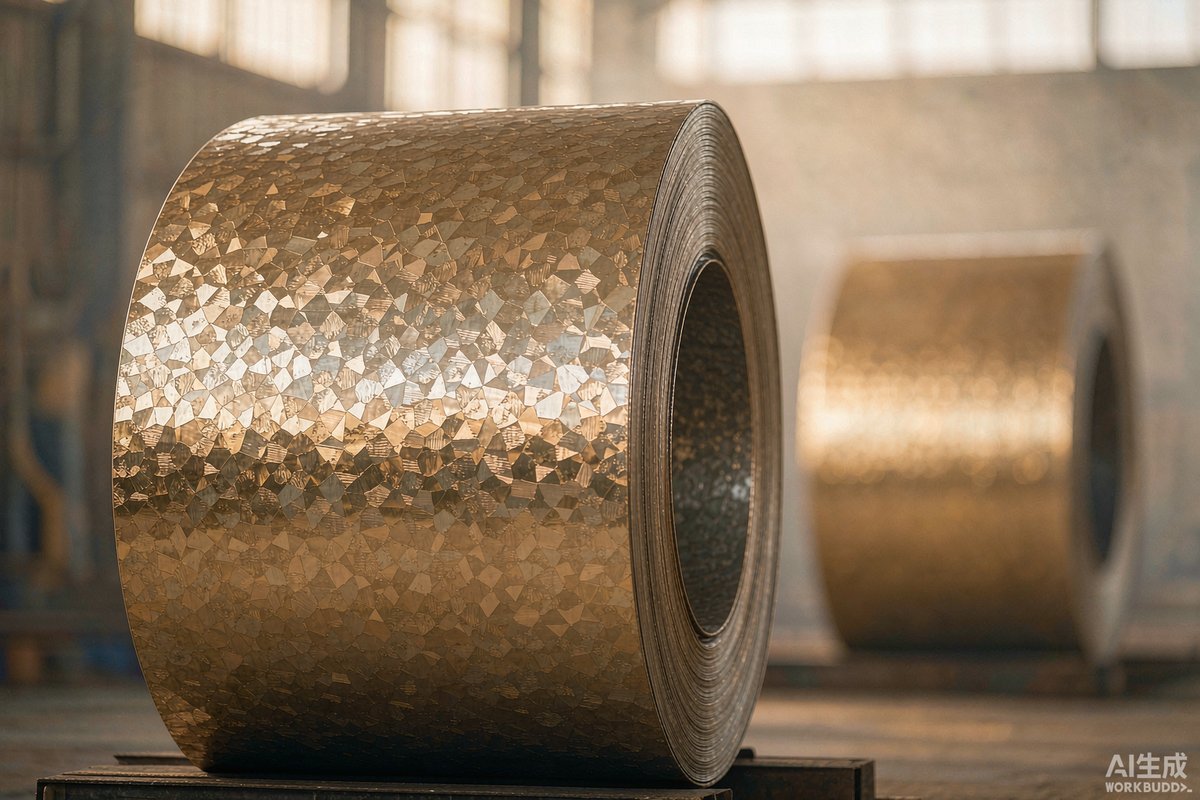
Galvalume (Al-Zn Alloy Coated) Steel — steel sheet coated with a unique 55% aluminum, 43.4% zinc, and 1.6% silicon alloy, delivering 2–4 times the corrosion resistance of conventional galvanized steel. The global galvalume market was valued at USD 22.8 billion in 2025 and is projected to reach USD 32.5 billion by 2032 (CAGR 5.1%), driven by roofing, construction, and solar energy infrastructure.
What Is Galvalume Steel?
Galvalume steel, also known as Al-Zn alloy coated steel or AZ-coated steel, was developed by Bethlehem Steel in 1972 and has since become one of the most widely used coated steel products worldwide. The 55% Al-43.4% Zn-1.6% Si coating combines the best characteristics of both aluminum and zinc:
- Aluminum provides a durable, long-lasting barrier against corrosion and reflects heat
- Zinc provides galvanic (cathodic) protection at cut edges and scratches
- Silicon controls the alloy reaction between the coating and steel substrate, ensuring uniform adhesion
The coating is applied via continuous hot-dip process, where the steel strip passes through a molten bath of the Al-Zn-Si alloy at approximately 600°C. The resulting coating features a characteristic spangled pattern ranging from silver-gray to light gray.
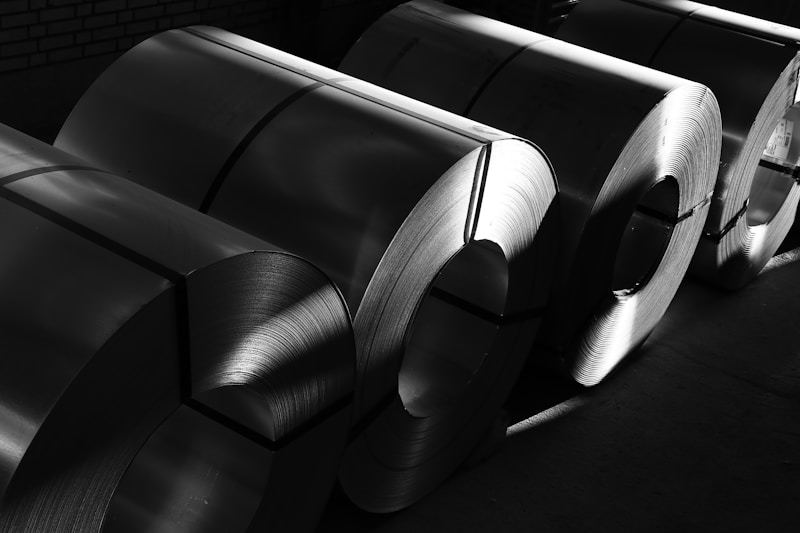
Galvalume vs Galvanized Steel: Key Differences
| Property | Galvalume (AZ) | Galvanized (GI) |
|---|---|---|
| Coating Composition | 55% Al, 43.4% Zn, 1.6% Si | >99% Zn |
| Corrosion Resistance | 2–4× better than GI in most environments | Good baseline protection |
| Heat Reflectivity | ~75% solar reflectance | ~40% solar reflectance |
| Maximum Service Temperature | 315°C (600°F) | 230°C (445°F) |
| Cut-Edge Protection | Moderate (zinc provides sacrificial protection) | Excellent (pure zinc sacrificial) |
| Cost per Ton | 10–20% higher than GI | Baseline |
| Formability | Good (slightly less ductile than GI) | Excellent |
| Weldability | Good (requires proper parameters) | Good |
Galvalume Steel Applications
Roofing and Cladding (Largest Segment ~50%)
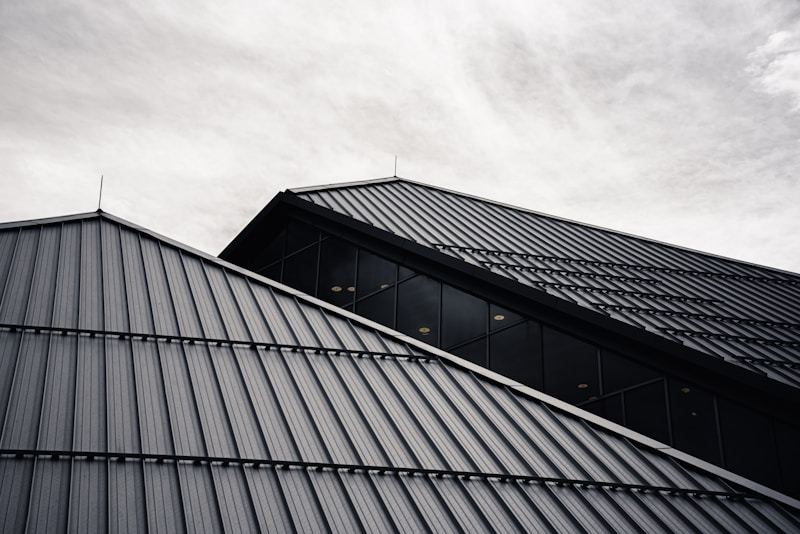
Galvalume is the preferred material for metal roofing and wall cladding in both residential and commercial construction:
- Residential roofing — Standing seam metal roofs, corrugated panels, and shingles
- Commercial/industrial roofing — Large-span panel systems for warehouses, factories, and distribution centers
- Agricultural buildings — Barns, poultry houses, and storage sheds benefit from heat reflectivity and corrosion resistance
- Architectural panels — Flat and ribbed panels for modern building facades
Solar Energy Infrastructure
One of the fastest-growing applications for galvalume steel is solar mounting structures:
- Solar panel frames and racks — Galvalume's corrosion resistance and strength make it ideal for 25+ year solar installations
- Ground-mount structures — Large-scale solar farms across the Middle East, Australia, and North America specify galvalume
- Solar carports — Combined roofing and solar panel support structures
HVAC and Appliance Manufacturing
- HVAC ducting and housings — Galvalume resists condensation-related corrosion
- Water heater jackets — Heat reflectivity improves energy efficiency
- Oven and range components — High-temperature resistance up to 315°C
Automotive and Transportation
- Exhaust system components — Heat shields and muffler housings
- Underbody panels — Corrosion protection for vehicle undersides
- Trailer and truck body panels — Lightweight, corrosion-resistant cargo enclosures
Galvalume Steel Market Trends 2026
The galvalume market in 2026 is characterized by strong demand from the construction and renewable energy sectors:
| Market Indicator | 2025 Value | 2026 Forecast | Trend |
|---|---|---|---|
| Global Galvalume Production | 38.5 million MT | 40.8 million MT | +6% YoY growth |
| China Export Volume | 12.2 million MT | 13.5 million MT | Strong export demand |
| AZ150 Coated Steel Price (FOB China) | $820–$960/MT | $850–$1,050/MT | Up 5–8% driven by zinc costs |
| Solar Sector Consumption | 3.8 million MT | 4.6 million MT | +22% YoY, fastest-growing segment |
| Middle East & Africa Demand | 4.5 million MT | 5.1 million MT | Infrastructure-driven growth |
Key Market Drivers
- Renewable energy expansion — Global solar PV installations expected to exceed 400 GW in 2026, driving demand for galvalume mounting structures
- Urbanization in developing markets — Rapid urbanization in Africa, Southeast Asia, and India fuels metal roofing demand
- Building energy efficiency regulations — Cool roof mandates in California, Europe, and Australia favor galvalume's heat reflectivity
- Infrastructure investment — Belt and Road Initiative projects and Middle East Vision 2030 programs specify galvalume for long-life buildings
- Supply constraints — Global zinc supply deficits and aluminum price volatility impact coating costs
Galvalume Steel Grades and Specifications
| Standard | Grade | Coating Designation | Coating Mass (g/m²) | Typical Application |
|---|---|---|---|---|
| ASTM A792 | CS Type B | AZ50–AZ200 | 100–400 | General roofing, cladding |
| ASTM A792 | SS Grade 33 | AZ50–AZ150 | 100–300 | Structural roofing panels |
| EN 10346 | DX51D+AZ | AZ100–AZ185 | 150–370 | General forming, bending |
| EN 10346 | S350GD+AZ | AZ100–AZ150 | 200–300 | Structural applications |
| JIS G3321 | SGLCC | AZ100–AZ200 | 200–400 | General, appliance |
| JIS G3321 | SGLCH | AZ100–AZ150 | 200–300 | Deep drawing |
How to Choose a Galvalume Steel Supplier
1. Manufacturing Capability
- Continuous hot-dip coating lines with automated coating weight control (XRF gauging)
- Annual production capacity of 200,000+ MT for reliable supply
- Skin-pass and tension-leveling capabilities for flatness and surface quality
2. Quality Certifications
- ISO 9001:2015 quality management system
- ASTM A792, EN 10346, or JIS G3321 compliance
- SGS, BV, or Intertek third-party inspection capability
- CE marking for European market access
3. Product Range
- Multiple coating weights (AZ50 to AZ200)
- Various thicknesses (0.3mm to 2.5mm) and widths (600mm to 1,500mm)
- Pre-painted galvalume (PPGI/PPGL) for architectural applications
- Anti-fingerprint and oiled surface options
4. Logistics and Support
- FOB, CIF, CFR, and DDP terms available
- Standard packaging: anti-rust VCI paper + steel strapping + seaworthy wooden crates
- Lead time: 20–30 working days for standard specifications
- Technical support with coating weight certificates, mill test reports, and formability data
FAQ About Galvalume Steel
A: In standard atmospheric conditions, galvalume provides 2–4 times the service life of galvanized steel. Typical warranties for galvalume roofing are 20–30 years, compared to 10–15 years for galvanized. In marine environments, the difference is even more pronounced.
A: Yes, galvalume performs significantly better than galvanized steel in coastal environments due to its aluminum content. However, for direct splash-zone applications, stainless steel or specialized marine-grade coatings are recommended. AZ150 or higher coating weight is preferred for coastal installations.
A: The number indicates the coating weight in g/m² (total both sides). AZ150 = 150 g/m² total coating, AZ200 = 200 g/m². Heavier coatings provide longer corrosion protection but reduce formability slightly. AZ150 is the most common specification for roofing and general construction.
A: Galvalume is not recommended for direct potable water contact because the aluminum-zinc coating can leach trace amounts of zinc and aluminum. For rainwater harvesting systems, food-grade coatings or stainless steel should be specified for water-contact surfaces.
A: Yes. Galvalume is an excellent substrate for painted finishes (PPGI/PPGL). The surface requires proper cleaning and a chromate or phosphate pre-treatment for optimal paint adhesion. Pre-painted galvalume is widely used in architectural applications where color and durability are both required.
A: Standard MOQ for galvalume steel coils is 25–50 MT per specification. For trial orders, 5–10 MT may be arranged at a premium. Custom coating weights and non-standard dimensions typically require 100+ MT MOQ. Contact us for specific requirements.
MESCO Group — your reliable galvalume steel supplier since 2007. We offer Al-Zn alloy coated steel coils and sheets in ASTM A792 (AZ50–AZ200), EN 10346 (DX51D+AZ), and JIS G3321 grades. Annual production capacity exceeds 300,000 MT, with full SGS inspection, CE certification, and REACH/RoHS compliance. Contact us for competitive FOB/CIF quotations and free samples.