Prepainted Steel 2026: Complete Guide to Color-Coated Steel Types, Coating Systems, and Buying Tips
- Share
- publisher
- MESCO Steel
- Issue Time
- Oct 26,2026
Summary
Prepainted steel 2026 guide: how color-coated steel is made, GI vs Galvalume substrates, PE/SMP/HDP/PVDF coating comparison, market prices, and a practical buying checklist for B2B importers.
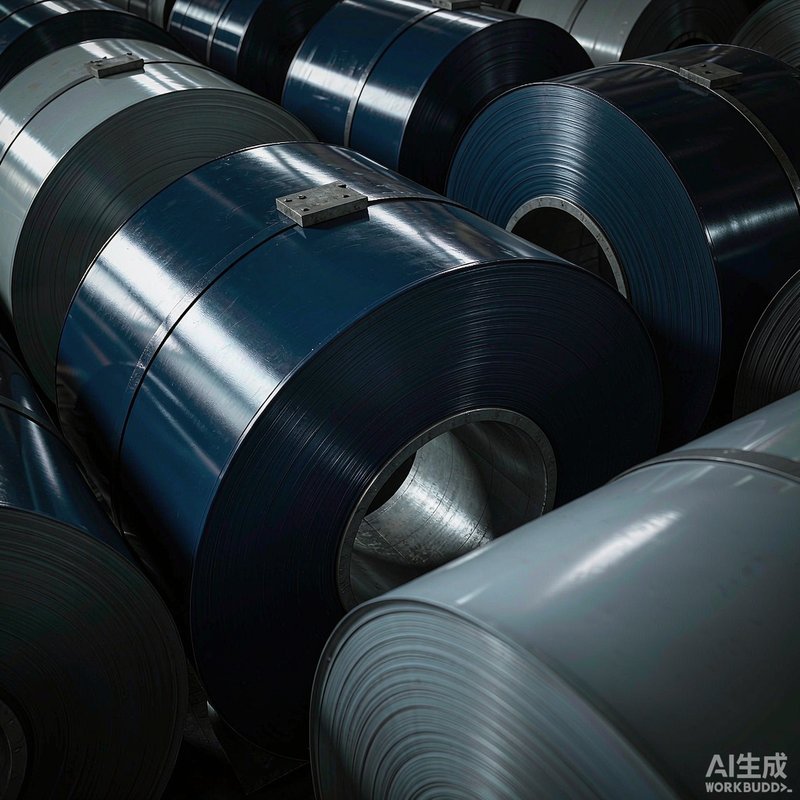
Prepainted steel — also called color-coated steel, pre-painted galvanized steel (PPGI), or coil-coated steel — is a flat-rolled steel product with a factory-applied organic paint system bonded to a metallic-coated substrate. It is the material behind colorful roofing sheets, wall panels, sandwich panels, appliance casings, and a fast-growing share of industrial cladding shipped around the world.
Demand is still climbing through 2026: market research values the global PPGI market at roughly USD 26.4 billion this year and projects it to reach about USD 42.8 billion by 2033, a compound growth rate near 7.1%. For importers and project buyers, the practical challenge is choosing the right coating system and grade for the service environment — and timing purchases against volatile prices. This guide explains how prepainted steel is made, compares the four mainstream coating systems, summarizes 2026 price trends, and closes with a practical buying checklist.
What Is Prepainted Steel? How Color-Coated Steel Is Made
Prepainted steel is produced on continuous coil-coating lines. A metallic-coated substrate — usually hot-dip galvanized (GI) or aluminum-zinc alloy coated (Galvalume) — is cleaned, chemically treated, and primed, then a topcoat is applied by rollers and cured in ovens. The result is a uniform, durable paint film whose adhesion and corrosion performance are engineered at the mill rather than applied on site.
The choice of substrate matters as much as the paint. The overwhelming majority of PPGI uses a zinc or zinc-aluminum alloy coating beneath the paint, so that even where the paint film is scratched or cut, the metallic layer continues to protect the steel against rust. Bare cold-rolled prepainted products exist, but they are reserved for interior applications with no moisture or cut-edge exposure.
Two Base Metals: GI vs Galvalume Substrate
Galvanized (GI) substrates offer a proven, cost-effective base for most roofing and cladding. Galvalume (55% aluminum-zinc) substrates give better cut-edge corrosion resistance and higher heat reflectivity, which makes them the preferred base for industrial roofs in hot climates and for PVDF-coated premium cladding. Buyers should always confirm the substrate coating weight in grams per square meter (e.g., Z275, AZ150) — it is a major cost driver and a frequent source of supply disputes.
Coating Systems Compared: PE vs SMP vs HDP vs PVDF
The paint system determines gloss retention, chalking resistance, corrosion performance, and service life — and it is the single biggest driver of price differences between prepainted steel coils. Buyers commonly meet four polymer families, and each one suits a different exposure zone.
| Coating System | Typical Thickness | Gloss & Color Retention | Best Application | Relative Cost |
|---|---|---|---|---|
| PE (Polyester) | 20–25 μm | Moderate; 3–5 years gloss life | Roofing, general cladding, interior panels | Base |
| SMP (Silicone Modified Polyester) | 25–30 μm | Better; roughly 8–10 years | Roofing in moderate climates, sheds, purlins | |
| HDP (High Durability Polyester) | 25–30 μm | Good; 10–15 years | Coastal and industrial roofing, wall panels | |
| PVDF (70% Polyvinylidene Fluoride) | 25–30 μm | Excellent; 20+ years | Premium façades, coastal projects, airports |
Thickness values are typical ranges for orientation. Final coating thickness, coating weight, and paint system must be confirmed against the supplier's technical data sheet and agreed reference panels before mass production.
The golden rule of prepainted steel specification: match the paint system to the exposure, not to the budget. A PVDF roof on a sheltered rural shed is wasted money; an SMP roof on a coastal warehouse is a warranty claim waiting to happen.
2026 Prepainted Steel Market Trends and Prices
2026 has been a volatile year for prepainted steel. Chinese export prices fell to around USD 655 per ton in mid-2026 — the lowest level in five years — even as export volumes surged about 32% to roughly 7.8 million tons, as mills competed aggressively for overseas orders. In the United States, domestic PPGI remained well above USD 1,000 per ton on tariffs and tight supply. Buyers who can accept Chinese mill direct delivery found unusually attractive price levels through the middle of the year.
- China's average PPGI price in H1 2026 was about RMB 4,970 per ton, down 3.6% year on year; seasonal restocking from September to November could support a rebound.
- Egypt imposed a safeguard duty on imported PPGI in April 2026 (14.5% or USD 122 per ton), reshaping trade flows into North Africa and favoring local coating lines.
- Data centers and industrial parks are driving demand for PVDF and high-durability systems backed by 25-year warranties.
- Compliance pressure is rising: EU buyers increasingly request low-VOC paints, REACH declarations, and third-party salt-spray test reports.
How to Choose and Specify Prepainted Steel
- Define the substrate first: GI for general use; Galvalume for better cut-edge corrosion and heat reflection on industrial roofs.
- Select the paint system by exposure zone: PVDF or HDP for coastal and high-UV areas; PE for sheltered interiors where cost matters.
- Confirm both coating thickness and substrate coating weight, and request mill test certificates for every batch.
- Specify color and gloss against RAL references, and agree an acceptable batch-to-batch color tolerance.
- Require salt-spray and UV-weathering test reports for outdoor projects, and confirm the warranty terms in writing.
- Plan packing for sea freight: wax paper interleaving, steel cores, edge protection, and moisture-proof wrapping.
Frequently Asked Questions
What is the difference between PPGI and prepainted Galvalume steel?
PPGI conventionally means pre-painted galvanized steel — a zinc-coated (GI) substrate with a paint system. Prepainted Galvalume uses an aluminum-zinc alloy substrate instead, which offers better cut-edge corrosion resistance and higher heat reflection. Both can carry the same PE, SMP, HDP, or PVDF topcoat; the substrate is the main difference in performance and price.
How long does prepainted steel last?
Service life depends mainly on the paint system and the exposure environment. PE systems typically deliver 5–10 years of acceptable appearance in mild climates, SMP about 8–12 years, HDP 10–15 years, and PVDF 20 years or more on premium façades. Film thickness, substrate coating weight, and installation practice (fastener quality, cut-edge protection) influence real-world life as much as the paint chemistry.
Can prepainted steel be cut and punched without damaging the coating?
Yes, but cut edges expose the metallic coating and should be protected for outdoor service. Shearing, punching, and roll-forming are standard; use sharp tooling to minimize edge deformation, deburr where possible, and apply touch-up paint or edge sealer on exposed cut edges in coastal or industrial environments. The zinc or aluminum-zinc substrate also provides sacrificial protection at minor scratches.
Why is the Chinese PPGI export price so low in 2026?
Export prices fell to about USD 655 per ton in mid-2026 — the lowest in five years — because mills faced weak domestic demand and strong competition for overseas orders, pushing export volumes up roughly 32% to around 7.8 million tons. Oversupply and hot-rolled coil cost declines are the main drivers. Buyers should treat unusually low quotes with care: verify substrate coating weight, paint thickness, and test certificates, since these are the usual cost-cutting points.
Prepainted steel remains one of the most cost-effective ways to put a durable, colorful metal envelope on a building or product. The buying decision in 2026 comes down to three choices made in the right order: the substrate (GI or Galvalume), the paint system (PE, SMP, HDP, or PVDF) matched to the exposure, and the documentation that proves coating weight, thickness, and test performance. Get those three right, and price timing becomes the only remaining variable.
Explore our prepainted steel and color-coated steel product range, read more steel market guides, or contact the MESCO Steel team for PPGI specifications, reference panels, and mill test certificates.