Pure Iron 2026: Properties, Grades, and Market Trends You Need to Know
- Share
- publisher
- MESCO Steel
- Issue Time
- Oct 19,2026
Summary
A 2026 guide to pure iron grades (DT3/DT4/DT4E/DT4C/YT01), magnetic properties, global market trends, production routes, and practical buying tips for high-purity soft magnetic steel procurement.
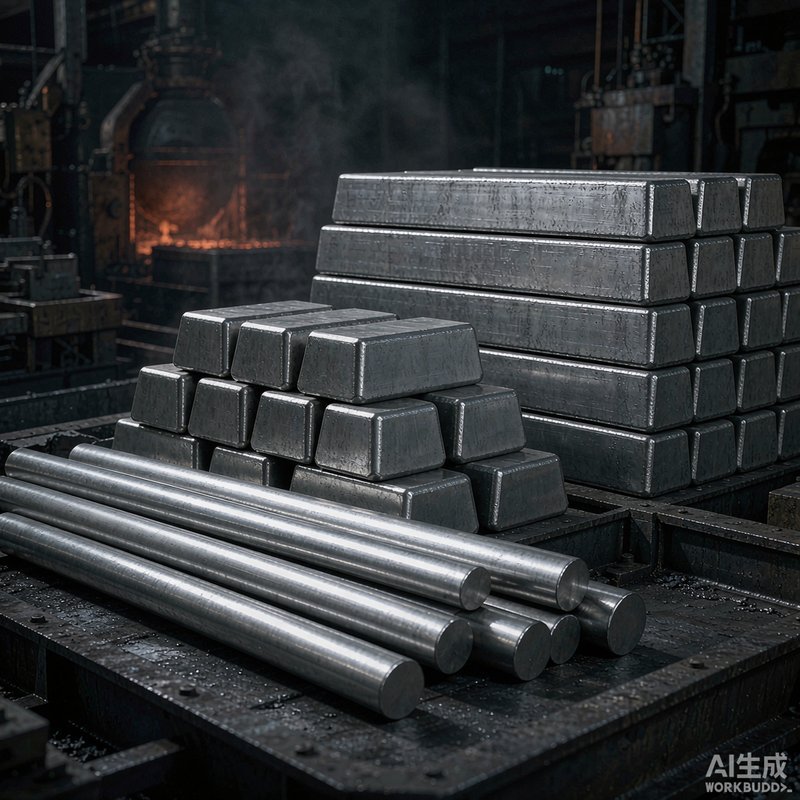
Pure iron is the highest-purity commercial form of iron, prized not for structural strength but for its soft magnetic performance: high permeability, low coercivity, and minimal hysteresis loss. These properties make it indispensable in relays, solenoids, electromagnet cores, magnetic shielding, precision instruments, and increasingly as the base material for neodymium-iron-boron (NdFeB) permanent magnets powering EV motors, wind turbines, and robotics.
Demand for high-purity iron is climbing through 2026 as electrification accelerates, yet many B2B buyers struggle to distinguish true pure iron from low-carbon steel, specify the right grade, or verify quality across international supply chains. This guide covers pure iron grades, properties, 2026 market trends, production and inspection requirements, and practical buying advice for procurement professionals.
What Is Pure Iron? Grades and Properties
Pure iron typically contains more than 99.5% iron, with carbon held below about 0.025% and silicon, manganese, phosphorus, and sulfur tightly controlled. It is produced under the Chinese GB/T 6983 standard family as electrical-grade pure iron, designated "DT" (dian tie, electrical iron) with suffixes that define purity and magnetic performance, plus specialized grades such as YT01 for ultra-high-purity applications.
| Grade | Typical Carbon Max | Magnetic Characteristics | Typical Applications |
|---|---|---|---|
| DT3 | 0.025% | General soft magnetic | Relay cores, general magnetic shielding |
| DT4 | 0.025% | Improved purity | Instrument parts, DC components |
| DT4E | 0.025% | High permeability | Electromagnet cores, precision magnets |
| DT4C | Very low carbon | Best magnetic stability | DC relays, solenoids, magnetic shields |
| YT01 | Ultra-low impurities | Highest purity | NdFeB magnet base, high-end soft magnetic parts |
Typical maximum values are shown for orientation only; exact limits must always be confirmed against the mill certificate and a full ICP inspection report before shipment.
Key Physical and Magnetic Properties
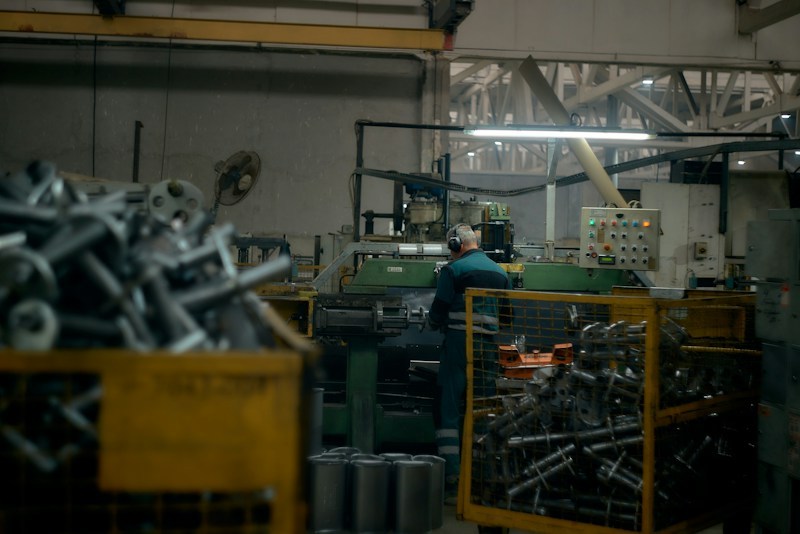
Commercial pure iron offers a saturation induction of roughly 2.15 tesla, very low coercivity, high maximum permeability, and low hysteresis loss, which translates into efficient magnetisation and demagnetisation in switching and field applications. It is also ductile and easy to machine, allowing manufacturers to stamp, bend, and cut complex soft magnetic components with tight tolerances.
Pure Iron vs. Low-Carbon Steel
Buyers frequently confuse pure iron with mild or low-carbon steel because both are soft and ductile. The difference lies in the level of impurity control and the resulting magnetic behaviour: low-carbon structural steel contains more carbon and residual elements, which raises coercivity and hysteresis loss and makes it unsuitable for precision magnetic components.
| Property | Pure Iron (e.g. DT4C) | Low-Carbon Steel (e.g. Q195/Q235) |
|---|---|---|
| Carbon content | 0.005–0.025% | 0.05–0.20% |
| Impurity control | Tightly controlled | Standard commercial |
| Saturation induction | About 2.15 T | Lower effective value |
| Coercivity | Low (soft magnetic) | Higher |
| Magnetic applications | Preferred | Limited |
| Relative cost | Higher | Lower |
| Typical use | Magnetic parts, magnet base | Structural, general fabrication |
Global Pure Iron Market Trends 2026
The 2026 steel market remains broadly oversupplied, with flat demand in traditional construction segments; electrical steels and high-purity iron are among the few bright spots, according to S&P Global analysis. High-purity iron is being pulled forward by magnet and soft-magnetic component demand, and market research projects the high-purity iron concentrate market to reach about USD 4.85 billion in 2026, with Asia-Pacific expanding at roughly 8.5% per year.
- NdFeB magnet demand from EV traction motors, wind turbines, and robotics is lifting demand for high-purity base iron.
- DT4C and YT01 high-purity billets saw strong inquiry flow from Southeast Asia, Europe, and South Korea in the first half of 2026.
- Buyers increasingly require full ICP element inspection reports before confirming orders.
- European customers are favouring suppliers that adopt low-carbon smelting and refining routes.
- Spot prices for high-purity iron billets remained broadly stable through the first quarter of 2026, tracking alloy and energy costs.
Because pure iron is a niche, specification-driven product, price volatility is lower than in commodity steel. What matters most is a stable, well-documented supply chain — not chasing the lowest spot quote.
What to Specify When Buying Pure Iron
- Grade and standard (e.g. DT4C per GB/T 6983, or an agreed international equivalent).
- Chemical limits for C, Si, Mn, P, and S with the exact maximum values.
- Magnetic performance targets such as coercivity and permeability, and the test method.
- Form and dimensions: billet, bar, sheet, strip, or custom blanks, with tolerances.
- Surface condition, packing, and documentation including the mill certificate and ICP report.
Production Routes and Quality Control
Industrial Pure Iron Refining
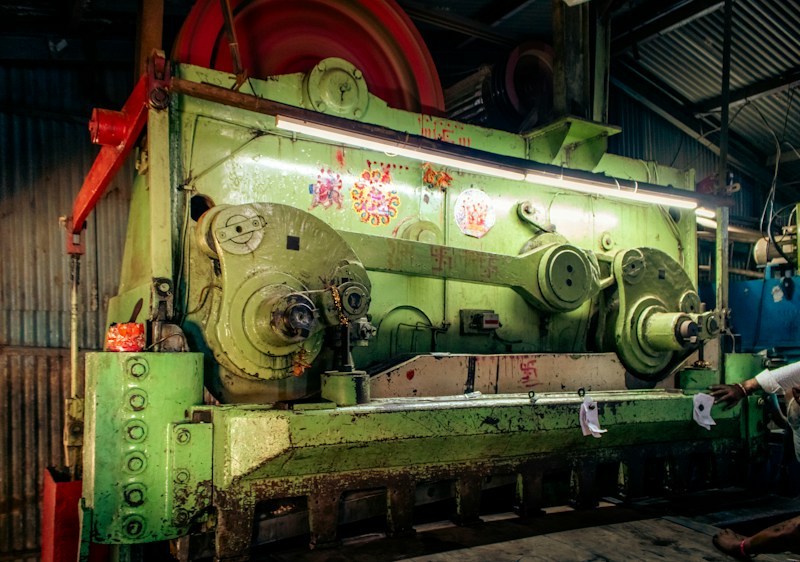
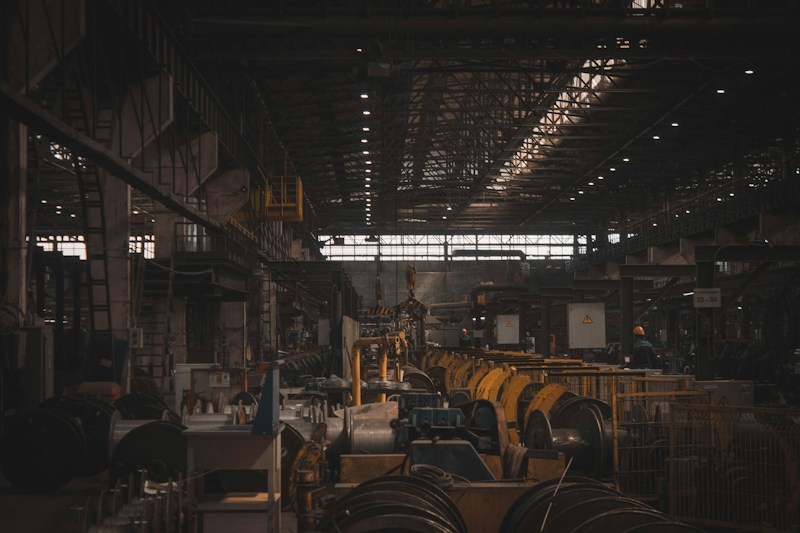
Industrial pure iron is produced by refining hot metal or steel scrap through converter and ladle treatment, followed by vacuum or secondary refining to strip carbon, oxygen, and residual elements. Low-carbon smelting routes — increasingly preferred by European buyers — reduce both greenhouse gas intensity and the risk of carbon reintroduction during casting.
Electrolytic Iron
For the highest purity levels, electrolytic iron is produced by electro-deposition from iron salt solutions, delivering very low impurity levels for specialty applications such as sputtering targets and premium soft magnetic alloys. It is significantly more expensive and generally supplied in smaller lot sizes.
Inspection and Certification
Reliable suppliers verify every heat with ICP-OES full-element analysis, carbon and sulfur combustion analysis, mechanical testing, and magnetic property measurement on ring or strip samples. Buyers should require the mill certificate, the complete ICP report, and, where specified, third-party inspection before shipment.
Frequently Asked Questions
What is the difference between pure iron and mild steel?
Mild (low-carbon) steel is optimised for forming and structural strength, with carbon typically above 0.05% and normal residual elements. Pure iron is a specialty material with carbon below about 0.025%, tightly controlled impurities, and much better soft magnetic performance — higher permeability and lower coercivity — which is why it is specified for magnetic components.
Which pure iron grade should I choose for magnetic applications?
For general relay and shielding parts, DT3 or DT4 is sufficient. For high-permeability electromagnet cores, DT4E is preferred. For DC relays, solenoids, and components requiring maximum magnetic stability, DT4C is the common choice. For NdFeB magnet feedstock and ultra-high-purity parts, specify YT01 or an agreed special grade.
Why is DT4C preferred for soft magnetic components?
DT4C is a low-carbon electrical pure iron with very low coercivity and excellent magnetic stability, which reduces residual magnetism and switching losses in DC applications such as relay armatures, solenoid plungers, and magnetic shields.
How is pure iron priced in 2026?
Pure iron is priced well above commodity steel because of extra refining steps, tight impurity control, and smaller production runs. Prices track iron feedstock, energy, and alloy costs. High-purity and electrolytic grades carry significant premiums, so buyers should compare quotes on an identical specification basis.
What inspection reports should I request when sourcing pure iron?
Request the mill test certificate, a full ICP-OES element report covering at least C, Si, Mn, P, and S, carbon and sulfur analysis, mechanical test results, and magnetic property data. For critical orders, arrange third-party inspection such as SGS or Bureau Veritas before shipment.
Pure iron is a small but strategically important segment of the steel market, and 2026 demand is being driven by magnets, EV drivetrains, and precision soft magnetic components. Successful procurement depends on specifying the correct grade, verifying chemical and magnetic performance with full inspection reports, and working with a supplier that controls impurities reliably from heat to heat.
Browse our pure iron and soft magnetic steel product range for available grades and forms, read more steel market insights, or contact the MESCO Steel team for a tailored quotation with full mill certificates and ICP reports.