Stainless Steel Grade Designation Explained
- Share
- publisher
- MAX
- Issue Time
- Jan 30,2026
Summary
Professional Stainless Steel manufacturer in China, supplying steel sheets, coils, pipes and custom solutions with stable quality and fast delivery.
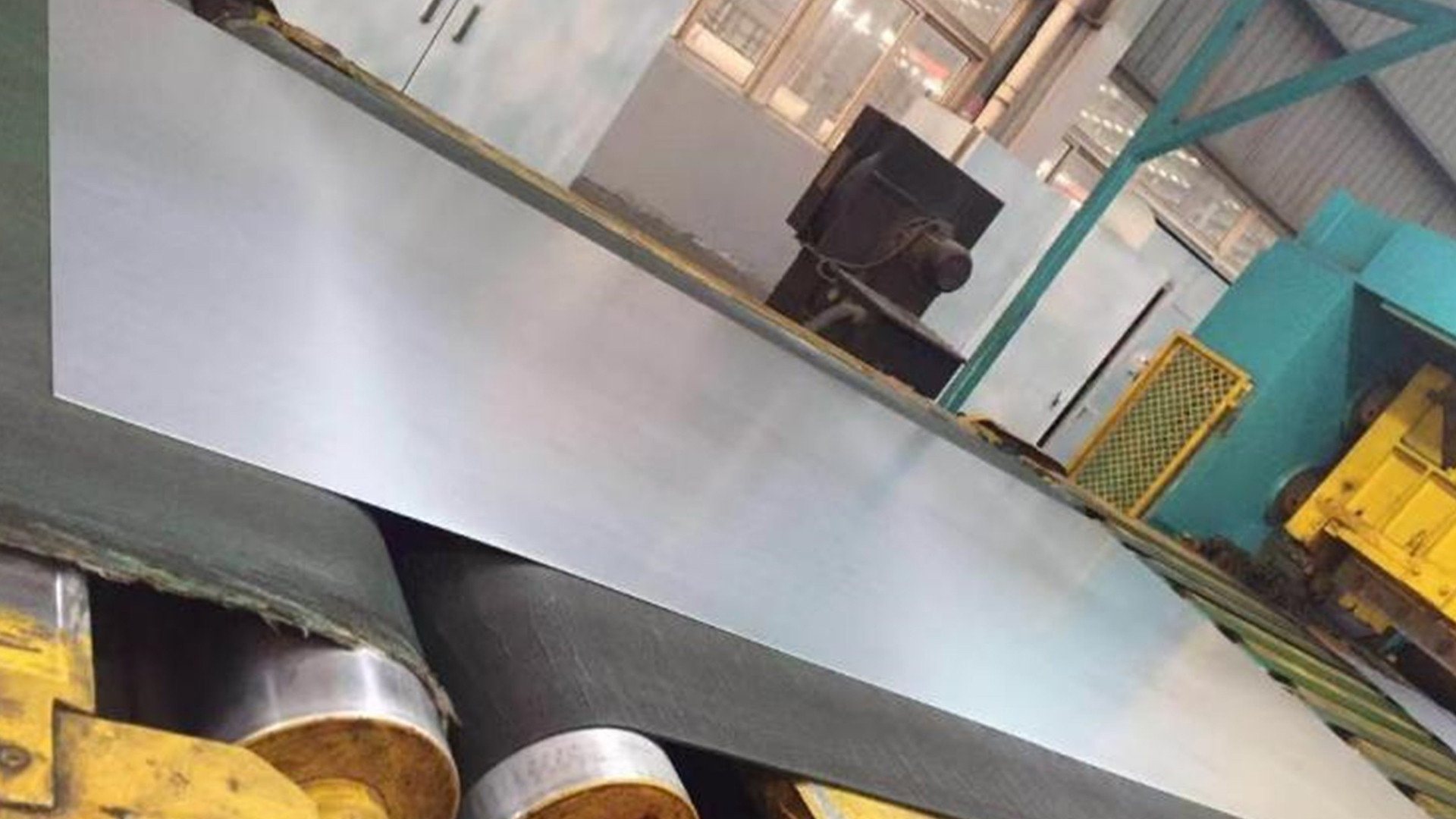
A Guide from a Professional Stainless Steel Manufacturer in China
Stainless Steel is one of the most widely used metallic materials in construction, energy, transportation, chemical processing, and industrial manufacturing. For global buyers, understanding Stainless Steel grade designation systems is essential for selecting the right material with reliable performance.
As an experienced Stainless Steel manufacturer, we provide this guide to help you better understand how stainless steel grades are defined and compared under different standards.
1. How Stainless Steel Grades Are Designated in China (GB Standards)
In Chinese GB standards, Stainless Steel grades are mainly defined by chemical composition, especially carbon (C), chromium (Cr), nickel (Ni), molybdenum (Mo), and other alloying elements.
Carbon Content Identification
Carbon content is a key factor affecting corrosion resistance and mechanical properties. In modern Chinese standards (GB/T 1220, GB/T 20878), carbon content is expressed using numeric codes:
Ultra-low carbon grades: suitable for welding and corrosion-sensitive applications
Low carbon grades: improved corrosion resistance
Medium to high carbon grades: higher strength and wear resistance
For example:
06Cr17Ni12Mo2 (equivalent to 316L)
C ≤ 0.08%
Cr: 16–18%
Ni: 10–14%
Mo: 2–3%
90Cr18MoV (high carbon martensitic Stainless Steel)
C: 0.85–0.95%
Cr: 17–19%
Mo: 1.0–1.3%
V: 0.07–0.12%
These designations clearly reflect the alloy structure and performance of the Stainless Steel material.
2. American Stainless Steel Grade System (AISI & UNS)
AISI Stainless Steel Grades
The AISI system uses three-digit numbers to classify Stainless Steel:
200 series: Cr-Mn-Ni austenitic Stainless Steel
300 series: Cr-Ni austenitic Stainless Steel
400 series: Ferritic and martensitic Stainless Steel
600 series: Precipitation-hardening Stainless Steel
Examples:
303 Stainless Steel
C ≤ 0.15%
Cr: 17–19%
Ni: 8–10%
303Se Stainless Steel
Improved machinability with selenium addition
UNS Stainless Steel Numbering System
The UNS (Unified Numbering System) provides a unified identification for Stainless Steel and heat-resistant alloys:
S1xxxx: Precipitation-hardening Stainless Steel
S2xxxx: Ni-based austenitic Stainless Steel
S3xxxx: Cr-Ni austenitic Stainless Steel
S4xxxx: Ferritic and martensitic Stainless Steel
S5xxxx: Heat-resistant Cr Stainless Steel
Examples:
S30300 → Equivalent to AISI 303
S30403 → Equivalent to AISI 304L (low carbon grade)
3. Why Understanding Stainless Steel Grades Matters
Choosing the correct Stainless Steel grade directly impacts:
Corrosion resistance
Weldability
Mechanical strength
Service life in harsh environments
A professional Stainless Steel manufacturer will not only supply materials but also provide technical guidance to ensure the grade matches the application.
4. Your Reliable Stainless Steel Manufacturer in China
As a trusted Stainless Steel manufacturer, we supply a full range of Stainless Steel products, including:
Stainless Steel sheets and coils
Stainless Steel plates and pipes
Custom grades based on ASTM, AISI, GB, JIS, and EN standards
With strict quality control, chemical composition testing, and stable supply capacity, we help global customers reduce risk and improve project reliability.
Conclusion
Understanding Stainless Steel grade designation systems is the foundation for selecting the right material. Whether you follow Chinese GB standards or American AISI/UNS systems, working with an experienced Stainless Steel manufacturer ensures consistent quality, accurate material selection, and long-term performance.
If you are looking for reliable Stainless Steel solutions for industrial or construction projects, choosing the right manufacturer makes all the difference.