Fabrication Guide for Aluminized Silicon Steel: Welding, Stamping & Cutting Tips
- Share
- Issue Time
- Mar 23,2026
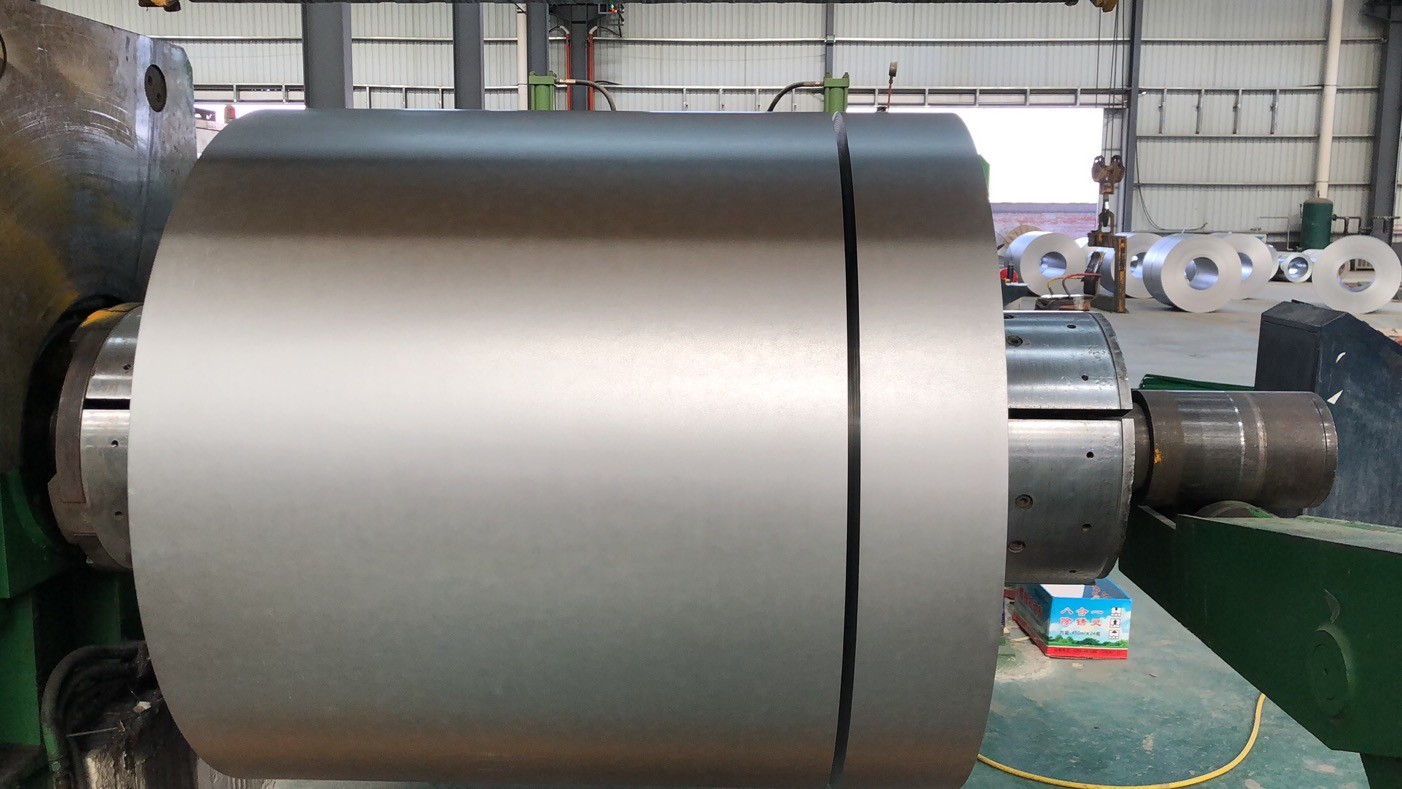
What are the key considerations when fabricating aluminized silicon steel sheet? Tips for welding, stamping, and cutting.
Aluminized silicon steel sheet features a hard aluminum-silicon alloy coating on its surface (Vickers hardness approx. 350–450 HV), which means its fabrication behavior differs from bare steel or galvanized sheet. Understanding the correct processing techniques is essential to ensuring product quality and minimizing scrap rates. The following guidance has been compiled by MESCO's engineering team based on extensive customer feedback.
Stamping & Forming
Use carbide or TiCN-coated tooling. Set die clearance at 8–12% of material thickness (slightly wider than for galvanized steel). Select a high-viscosity sulfurized drawing oil as the stamping lubricant — avoid chlorinated lubricants, as chloride ions react adversely with the aluminum coating. For bending operations, maintain a minimum bend radius of ≥ 1T to prevent coating cracking or delamination.
Welding
MIG/MAG Welding: ER4043 (aluminum-silicon alloy wire) or stainless steel filler wire is recommended. Use short-circuit transfer mode and keep heat input low to minimize the burn-off zone of the aluminized coating. The coating will locally ablate in the weld area; post-weld aluminum-based thermal spray coating can be applied to restore corrosion protection on exposed edges.
Resistance Spot Welding:
The coating offers better electrical conductivity than galvanized steel. Reduce standard carbon steel welding parameters (current, time, electrode force) by approximately 10–15%. Cu-Cr-Zr alloy electrodes are recommended for extended electrode life.
Shearing & Plasma Cutting
Mechanical shearing blades wear faster than when cutting plain steel — schedule regular blade sharpening and maintain blade clearance at ≤ 3% of sheet thickness. During plasma cutting, aluminum fumes are a health hazard; ensure adequate ventilation and use appropriate respiratory protection. Cut edges may carry slight burrs after plasma cutting and should be deburred or ground smooth before assembly.
MESCO Value-Added Services:
Our factory offers toll processing services including shearing, slitting, leveling, and surface passivation treatment. Moving fabrication steps upstream reduces your total processing cost. A comprehensive fabrication process guide (PDF) is included free of charge with every order.