Metallurgical, 300-350 MPa bond / 600-700 MPa adhesion, class 1
Hydrogen Embrittlement
None, suitable for grade 10.9 and 12.9 fasteners
Base Materials
Carbon steel, alloy steel, cast iron, powder metallurgy parts
Thread Handling
Uniform coverage on threads and blind holes, no re-tapping
Standards
ASTM A1059, EN ISO 17668, EN 13811, BS 4921, ISO 14713-3, GB/T 35505-2017
Applications
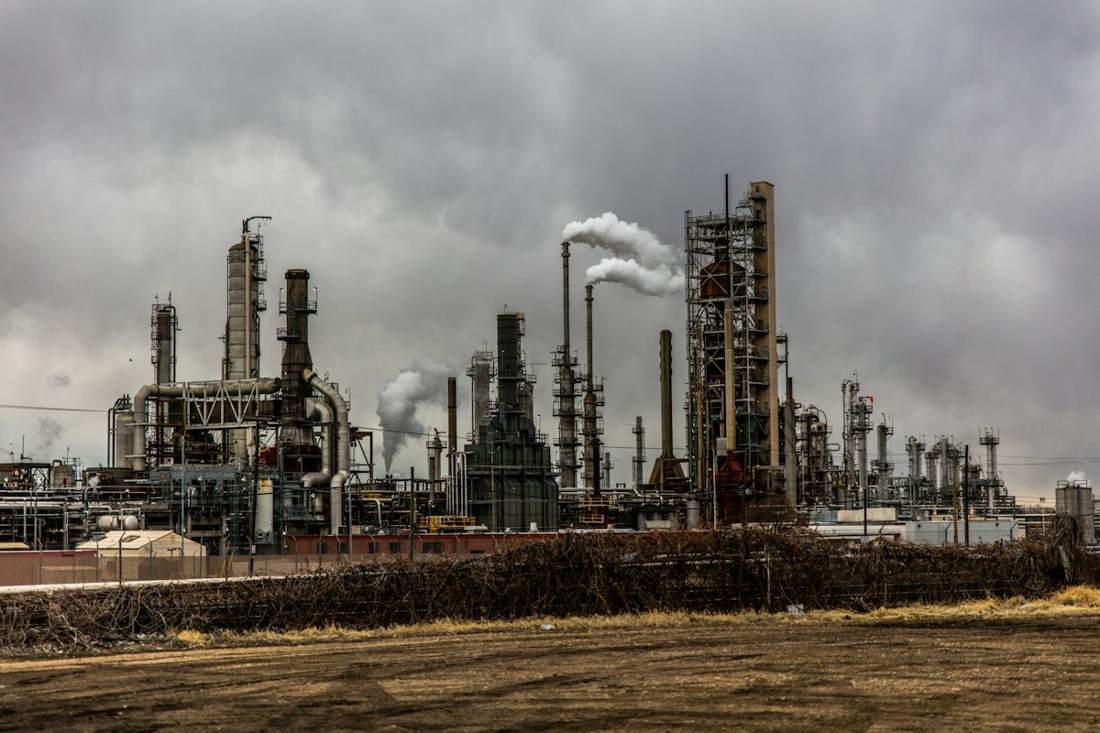
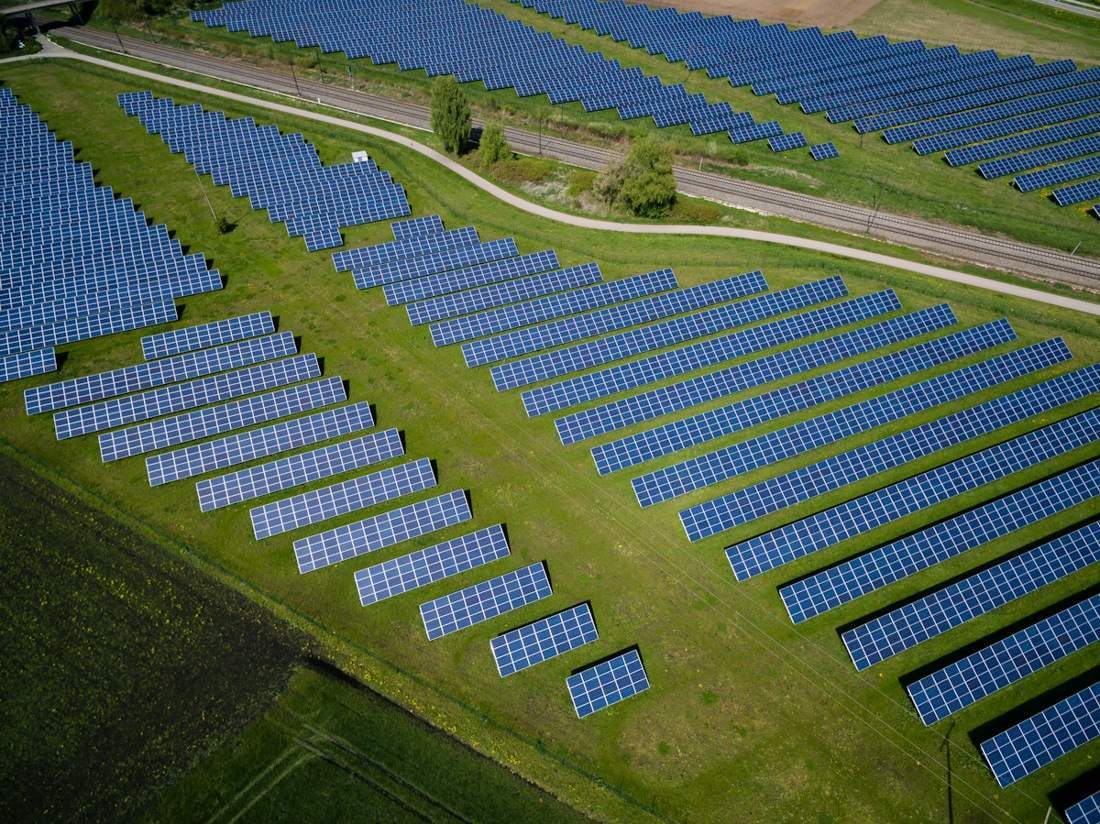
Fasteners, railway fittings, power towers, solar mounts, bridges, marine hardware
Review
Description
Sherardizing, also called powder zinc diffusion or thermal diffusion galvanizing, is a solid-state surface treatment. Steel parts are tumbling-heated in zinc powder inside a sealed rotating drum, zinc atoms diffuse into the steel surface and react with iron to form a graded Zn-Fe intermetallic layer. The coating is metallurgically bonded to the substrate, so it cannot peel, chip or flake the way an electroplated layer does.
MESCO supplies sherardizing as a contract treatment service for fasteners, railway components, power and solar hardware, bridge fittings and fabricated steel parts. Send us your drawings, base material and required coating class, and we return a process window, thickness range and quotation.
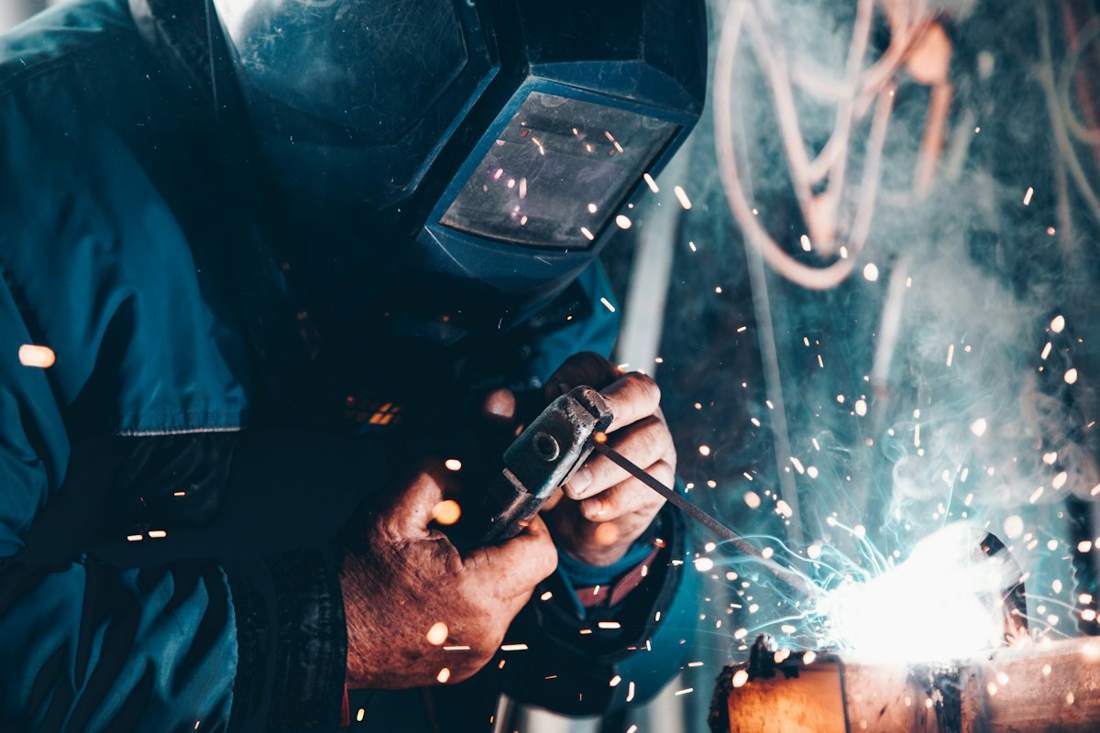
Fabricated steel parts before sherardizing treatment
How the Sherardized Layer Is Built
Solid-State Diffusion
Parts are loaded into a sealed drum with zinc powder and a filler. At 380-450 degC zinc vapor diffuses into the steel surface following Fick's laws, so coverage follows the geometry instead of the line of sight.
Intermetallic Reaction
Diffused zinc reacts with iron to form a graded structure: an outer FeZn13 layer, an intermediate FeZn7 layer and a diffusion zone bonded into the base metal. There is no sharp interface where a coating can detach.
Thickness by Time and Temperature
Layer depth is controlled by holding temperature and dwell time only, from 20 um up to 120 um, and it stays uniform on threads, inner walls, blind holes and recesses.
Measured Performance
Property
Electro-galvanizing
Hot-dip galvanizing
Sherardizing
Service life at 20 um
3-5 years
5-20 years
15-25 years
Surface hardness
HV 75-85
HV 80-90
HV 200-400
Adhesion class
Class 4
Class 3
Class 1
Coating thickness
5-30 um
5-100 um
20-120 um
Hydrogen embrittlement risk
High
Moderate
None
Thread fit
Needs allowance
Zinc build-up on threads
Uniform, no re-tapping
Salt spray reference tested to GB/T 10123: sherardized parts showed no red rust at 1,080 h, while hot-dip galvanized parts rusted at 96 h. Bond strength of the diffusion layer is 300-350 MPa with adhesion of 600-700 MPa, and the treatment raises fatigue strength and wear resistance of the base part instead of reducing them.
Why Buyers Switch to Sherardizing
Coating Does Not Peel
Metallurgical bonding means no plating interface. The layer survives bending, impact and press-fit assembly without flaking.
Safe for High-Strength Fasteners
No acid pickling and no electrolytic hydrogen, so 10.9 and 12.9 grade bolts carry zero hydrogen embrittlement risk.
Threads and Recesses Covered Evenly
Diffusion reaches inner walls and blind holes. Threaded parts keep their original fit class and need no post-machining.
Lower Life-Cycle Cost
A 20 um layer gives 15-25 years of protection, cutting re-galvanizing and replacement cycles on installed structures.
Clean Process
No molten zinc bath, no wastewater discharge and no acid fumes, which simplifies environmental permitting at the treatment site.
Standard-Compliant
Supplied to ASTM A1059, EN ISO 17668, EN 13811, BS 4921, ISO 14713-3 and GB/T 35505-2017.
Typical Parts We Sherardize
Petrochemical pipe supports, flanges and valve hardwareSolar mounting structures, clamps and ground screwsPower transmission towers, brackets and line fittings
High-strength bolts, nuts, washers, anchor bolts and threaded rod
Railway fasteners, embedded parts, anti-falling beam devices and fish plates
Highway guardrail hardware, bridge bearings and expansion joint parts
Solar and wind mounting hardware, ground screws and pile brackets
Ship fittings, offshore platform hardware and port equipment parts
Mining machinery pins, chains, hydraulic fittings and wear parts
Ordering Information
Base materials
Carbon steel, alloy steel, cast iron, powder metallurgy parts
Coating thickness
20 um to 120 um, selected by service environment
Colour after treatment
Matte grey as-standard, passivation or topcoat on request
Part size limit
Set by drum and furnace dimensions, confirm per drawing
Inspection
Thickness by metallographic section, salt spray on request
Lead time and MOQ
Confirm with sales before order placement
Frequently Asked Questions
Will sherardizing change the dimensions of threaded parts?
The diffusion layer grows inward and outward at a controlled rate. Because thickness is uniform and predictable, we reserve the allowance in advance so threads keep their fit class and need no re-tapping.
Can it be applied to hardened and high-strength steel?
Yes. The process runs without acid pickling and without electrolytic hydrogen, so there is no hydrogen embrittlement risk on high-strength fasteners of grade 10.9 and above.
How does it compare with hot-dip galvanizing on cost?
The unit treatment cost is higher than hot-dip, but a 20 um sherardized layer gives 15-25 years of service versus 5-20 years for hot-dip, which lowers total life-cycle cost on parts that are expensive to replace.
Which standard should I specify?
ASTM A1059 is the common choice for North America, EN ISO 17668 and EN 13811 for Europe, and GB/T 35505-2017 or JB/T 5067-1999 for domestic Chinese projects. We quote against any of them.
Send Your Parts for Sherardizing
Tell us the part type, base material, required thickness and quantity, and we will return a process proposal and quotation.