How to Choose the Right Steel Coil Supplier: 5 Critical Factors Beyond Price
- Share
- publisher
- MESCO
- Issue Time
- Jul 23,2026
Summary
Price is important but rarely the most critical factor when choosing a steel coil supplier. Learn the 5 dimensions experienced procurement managers evaluate: quality consistency, financial stability, inventory reliability, technical expertise, and after-sales support.
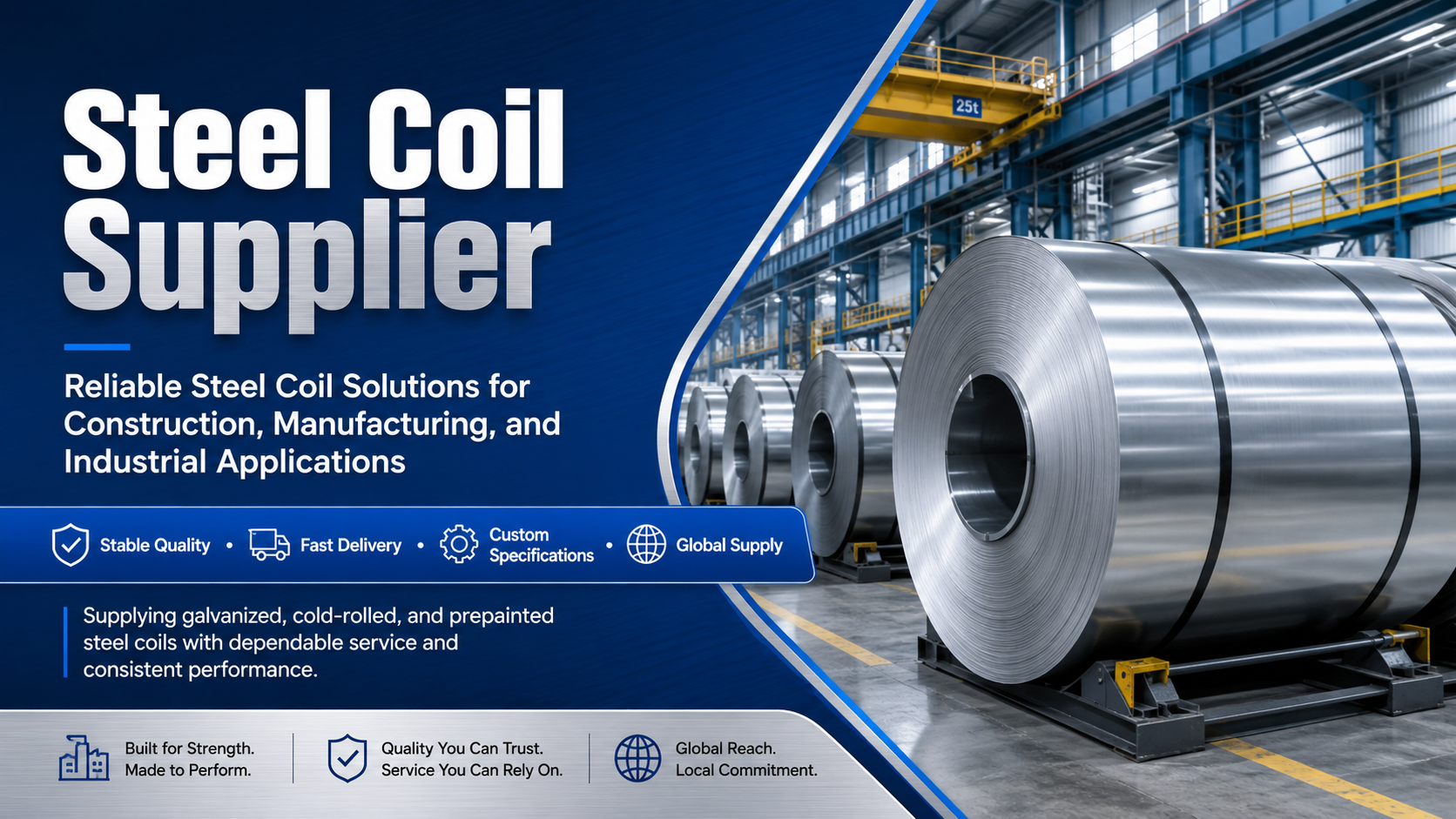
A supplier that's 5% cheaper but delivers late, ships off-grade material, or vanishes after the first order will cost you far more in the long run. After 18 years of exporting steel to 89 countries, here's what experienced purchasing managers actually look for. The single biggest risk in importing steel is inconsistent quality across batches. What to look for: Mill Test Certificates (MTC) for every shipment traceable to heat numbers, in-house or contracted third-party testing, ISO 9001 certification, and product-specific certifications like CE marking for EU markets. Red flag: A supplier that cannot produce MTCs on request, or whose certificates show inconsistent mechanical properties across batches. Steel trading involves large transactions. Check years in operation (at least 5+), registered capital, client references in your region, and consistent export volume. MESCO STEEL has exported to 89 countries over 19 years with 850+ clients, including Fortune 500 companies. Can the supplier deliver when you need it? Ask about daily stock levels, standard lead time from order to vessel loading, port locations (Dalian, Tianjin, Shanghai are major steel export hubs), and mixed container capability. Pro tip: A supplier offering 3-day delivery on stocked items signals real inventory — not just a trading desk. Steel is not a commodity where any coil will do. A good supplier should recommend the right material for your application, explain ASTM/EN/JIS standard equivalences, advise on packaging and container loading, and provide detailed chemical composition data. Evaluate response time (under 12 hours is a good sign), English proficiency, availability on instant messaging platforms, after-sales warranty, and willingness to accept third-party inspection. Experienced importers don't choose the cheapest supplier. They choose the most reliable one and then negotiate hard on price. Reliability comes first, negotiation second.Why Price Is Not the Most Important Factor
Factor 1: Production Consistency and Quality Control
Factor 2: Financial Stability and Track Record
Factor 3: Inventory and Supply Chain Reliability
Factor 4: Technical Expertise and Product Knowledge
Factor 5: Communication and After-Sales Support
The Bottom Line